What Is Cybersecurity And Why Is It Important? Essential Insights
Have you ever stopped to think about what protects your personal information when you’re online? Every time you shop, chat, or browse, your data is at risk.
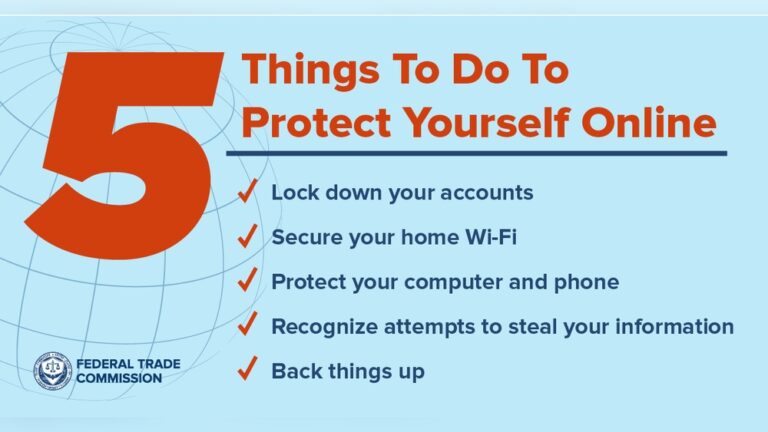
That’s where cybersecurity comes in. Understanding what cybersecurity is and why it matters can help you keep your digital life safe from hackers, scams, and threats you might not even realize exist. This article will show you how cybersecurity affects you directly and why taking simple steps can make a big difference.
Keep reading to learn how to protect yourself and stay secure in a connected world.
Basics Of Cybersecurity
Understanding the basics of cybersecurity helps protect data and devices. It covers the tools and practices that keep information safe from harm. This section breaks down the essential ideas for better protection online.
Key Concepts And Terminology
Cybersecurity means protecting computers, networks, and data from attacks. A firewall blocks unauthorized access to systems. Encryption changes data into code to keep it private. Antivirus software detects and removes harmful programs. Authentication confirms a user’s identity before access. These terms form the foundation of cybersecurity knowledge.
Types Of Cyber Threats
Cyber threats are dangers that target digital systems. Malware includes viruses, worms, and ransomware that damage or lock data. Phishing tricks people into sharing passwords or info. Spyware secretly collects user data without permission. Hackers exploit system weaknesses to steal or change data. Recognizing these threats helps users stay safe online.
Common Cyber Attacks
Cyber attacks are actions designed to harm systems or steal data. Denial of Service (DoS) floods websites to make them unavailable. Man-in-the-Middle attacks intercept communication between users. Password attacks try to guess or crack passwords to gain access. Social engineering manipulates people into revealing sensitive info. Knowing these attacks aids in preventing damage.

Core Cybersecurity Practices
Core cybersecurity practices protect computers, networks, and data from cyber attacks. These practices help keep information safe from hackers and unauthorized access. They form the foundation of a strong security system.
Following these basic steps reduces risks. It strengthens defenses. Everyone, from individuals to large businesses, should use these methods.
Network Security Measures
Network security stops hackers from entering systems through the internet or local networks. Firewalls block unwanted traffic. Antivirus software scans for harmful programs.
Regular updates fix security holes. Encryption hides data during transfer. Monitoring tools detect unusual activity fast.
Data Protection Strategies
Data protection keeps sensitive information safe from theft or loss. Backups save copies of important files. Encryption makes data unreadable to outsiders.
Access controls limit who can see or change data. Secure storage prevents physical and digital damage. These steps reduce the chance of data breaches.
User Authentication Methods
User authentication confirms the identity of people trying to access a system. Passwords are the most common method. Strong passwords must be long and unique.
Two-factor authentication adds a second security layer. Biometrics like fingerprints or facial scans provide extra protection. These methods stop unauthorized users from getting in.
Cybersecurity Tools And Technologies
Cybersecurity tools and technologies protect computers, networks, and data from attacks. They help stop hackers, viruses, and other threats. These tools work together to keep information safe and systems running smoothly.
Choosing the right tools is vital for strong cybersecurity. Each tool has a specific role in defending against risks. Understanding these tools helps businesses and individuals stay secure.
Firewalls And Antivirus Software
Firewalls act as barriers between trusted networks and untrusted ones. They block harmful traffic and allow safe data through. Firewalls monitor incoming and outgoing connections to prevent attacks.
Antivirus software scans computers for malware and viruses. It removes or quarantines harmful files. Regular updates keep antivirus programs effective against new threats.
Encryption Techniques
Encryption changes data into a secret code. Only authorized users with a key can read it. This protects sensitive information during storage and transmission.
Common encryption methods include AES and RSA. They secure emails, online payments, and stored files. Encryption makes it hard for attackers to steal data.
Intrusion Detection Systems
Intrusion Detection Systems (IDS) watch network traffic for unusual activity. They alert administrators to potential security breaches. IDS helps identify attacks early.
There are two types: network-based and host-based IDS. Both improve security by detecting threats fast. Quick detection reduces damage and data loss.
Impact Of Cybersecurity Breaches
Cybersecurity breaches affect individuals and businesses deeply. The impact goes beyond just stolen data. These incidents can cause serious problems that last for years. Understanding these effects helps people see why strong cybersecurity matters.
Financial Consequences
Cyber attacks often lead to huge financial losses. Companies may face costs to fix systems and recover data. Lost sales and business downtime add to the expenses. Sometimes, businesses pay ransom to hackers. These costs can threaten a company’s survival.
Reputation Damage
A breach can harm a company’s reputation quickly. Customers lose trust in a brand that fails to protect data. Negative news spreads fast on social media and news sites. This damage can reduce customer loyalty and sales. Repairing a bad reputation takes a long time.
Legal And Regulatory Risks
Many laws require companies to protect customer data. Failing to do so can lead to fines and penalties. Companies may face lawsuits from affected customers. Regulatory investigations can also disrupt business operations. Compliance with laws is critical to avoid these risks.
Importance For Individuals And Businesses
Cybersecurity is crucial for both individuals and businesses. It helps protect sensitive data and ensures safety online. Without proper security, personal and business information can be at risk. The impact of a cyber attack can be serious and costly. Understanding why cybersecurity matters can help everyone stay safe in the digital world.
Protecting Personal Information
Personal information includes details like your name, address, and bank numbers. Cybersecurity keeps this data safe from hackers and identity thieves. It stops unauthorized access to your accounts and private information. Good security habits reduce the chance of fraud and theft. Protecting your personal data helps maintain privacy and peace of mind.
Securing Business Operations
Businesses rely on computers and networks every day. Cybersecurity defends these systems from malware and attacks. It prevents data loss and keeps operations running smoothly. Without security, businesses can face downtime and financial loss. Strong cybersecurity supports productivity and protects valuable business assets.
Maintaining Customer Trust
Customers trust businesses to protect their information. A data breach can damage this trust quickly. Effective cybersecurity shows customers their data is safe. It builds confidence and loyalty over time. Keeping customer information secure is key to a business’s reputation and success.
Emerging Trends In Cybersecurity
Cybersecurity is changing fast. New threats and tools appear all the time. Staying updated with trends helps protect data and systems. This section covers key emerging trends shaping cybersecurity today.
Artificial Intelligence And Machine Learning
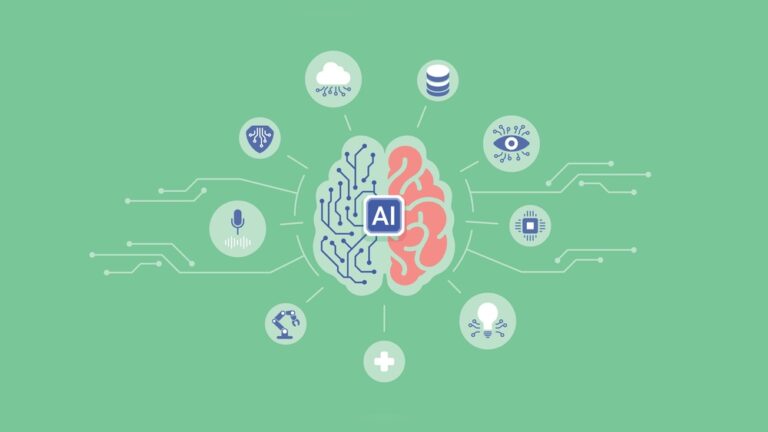
AI and machine learning help detect threats quickly. They analyze patterns to find unusual activity. These tools improve response times and reduce human error. Attackers also use AI, making defense a constant race.
Cloud Security Challenges
More businesses move data to the cloud. This shift creates new security risks. Misconfigured cloud settings can expose sensitive information. Protecting cloud environments needs special tools and skills. Constant monitoring and strong access controls are vital.
Rise Of Ransomware Attacks
Ransomware attacks are increasing in number and severity. Hackers lock files and demand payment to release them. These attacks can halt business operations quickly. Regular backups and employee training help reduce risks.
Building A Cybersecurity Culture
Building a strong cybersecurity culture is essential for any organization. It helps protect sensitive data and reduces the risk of cyber attacks. A good culture means everyone understands their role in keeping information safe. This starts with clear communication and ongoing education. It creates a team that works together to defend against threats.
Employee Training And Awareness
Employees must learn how to spot cyber threats. Training sessions teach them about phishing, malware, and safe internet habits. Regular updates keep security knowledge fresh. Awareness helps employees avoid mistakes that hackers exploit. Simple habits, like strong passwords and cautious clicking, make a big difference.
Developing Security Policies
Clear security policies guide employees on proper behavior. These rules explain how to handle data and use company devices safely. Policies must be easy to understand and follow. They set expectations for everyone and reduce risky actions. Well-written policies support a secure work environment.
Incident Response Planning
Even with prevention, incidents may happen. A response plan helps teams act quickly and calmly. It outlines steps to contain damage and fix problems. Good planning limits the impact of attacks. Training on the plan ensures everyone knows their role during a crisis.
Frequently Asked Questions
What Is Cybersecurity In Simple Terms?
Cybersecurity protects computers, networks, and data from unauthorized access and attacks. It keeps information safe and ensures online privacy.
Why Is Cybersecurity Important For Businesses?
Cybersecurity prevents data breaches, financial loss, and reputational damage. It safeguards sensitive information and maintains customer trust.
How Does Cybersecurity Protect Personal Information?
It uses encryption, firewalls, and antivirus software to block hackers. This keeps your personal data private and secure online.
What Are Common Cybersecurity Threats Today?
Common threats include phishing, malware, ransomware, and hacking. These can steal data, disrupt services, or cause financial harm.
Conclusion
Cybersecurity protects your personal and business information. It stops hackers from stealing sensitive data. Everyone who uses the internet needs to care about it. Strong passwords, updates, and safe browsing help keep you secure. Staying aware of cyber threats lowers risks.
Protecting your devices is a smart and simple step. Cybersecurity is a key part of modern life. Don’t wait until something goes wrong. Start protecting yourself and your information today.