How Search Engines Actually Work: Unveiling the Secrets
Have you ever wondered what really happens when you type a question into a search engine? How does it find the exact information you need in just seconds?
Understanding how search engines actually work can change the way you search and help you get better results every time. You’ll discover the simple steps behind the complex process, so you can use search engines smarter and faster. Keep reading—you’re about to unlock the secrets that make your online searches so powerful.

Basics Of Search Engines
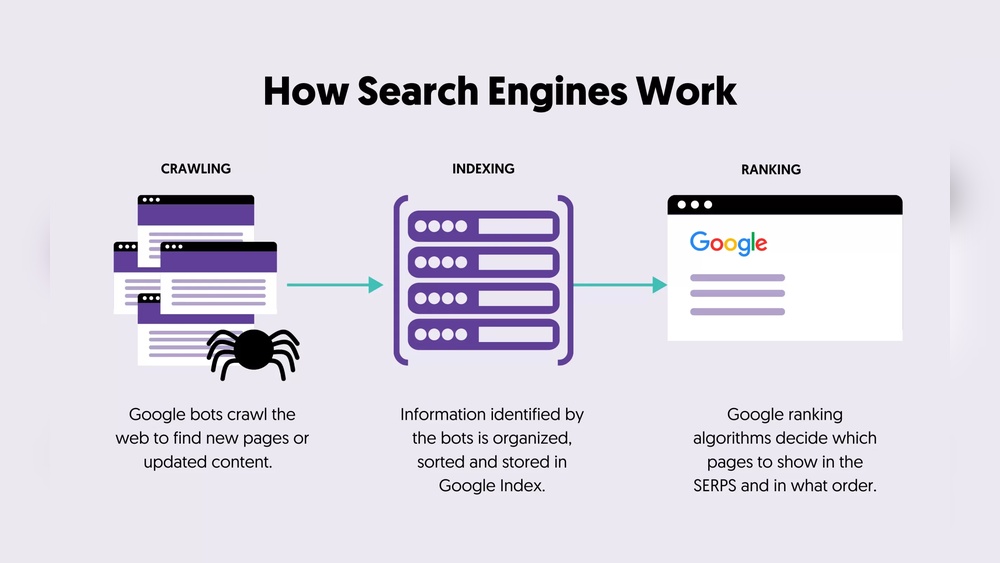
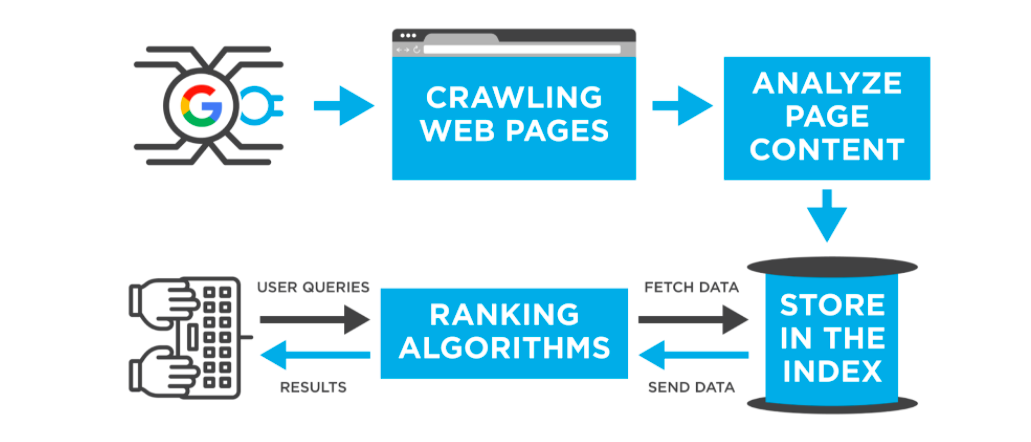
Search engines help us find information fast. They work through a few key steps. These steps include crawling, indexing, and processing queries. Understanding these basics shows how search engines deliver relevant results.
Role Of Crawlers
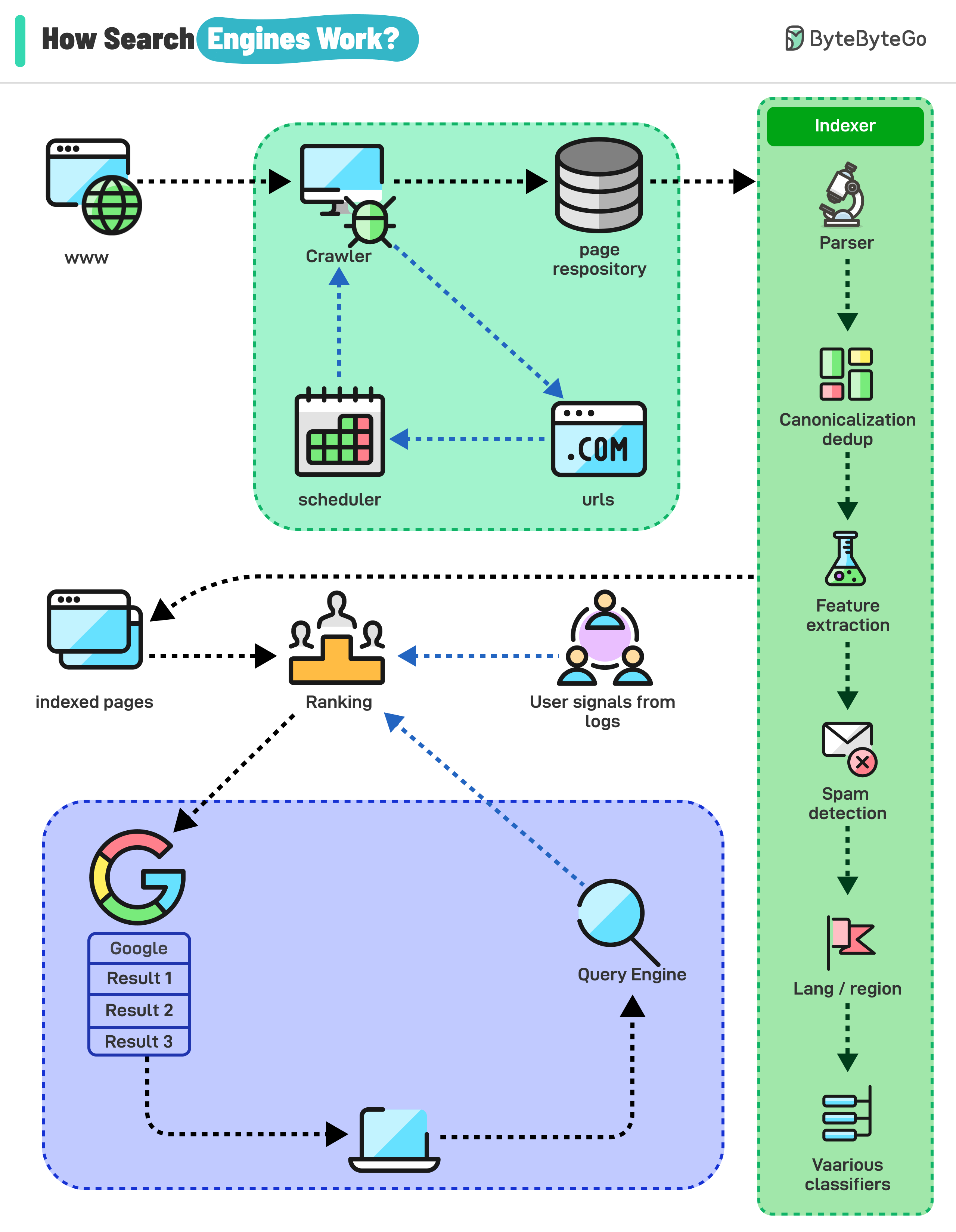
Crawlers are small programs that browse the internet. They visit web pages and read their content. These bots follow links to discover new pages. Crawlers collect data that search engines use to understand websites.
Indexing Content
After crawling, search engines organize the data. They create an index, like a giant library catalog. This index stores information about words and where they appear. It helps search engines find pages quickly when you search.
Query Processing
When you type a question, the search engine processes it. It matches your words with the indexed pages. The engine ranks pages by relevance and quality. Then, it shows the best results on your screen.
How Crawlers Explore The Web
Search engines use crawlers to discover and index web pages. These crawlers, also called spiders or bots, move through the internet by following links. They collect data to help search engines understand what each page is about. This process is key to showing useful results when people search online.
Crawlers explore billions of web pages every day. They use smart methods to find new pages and update old ones. The way crawlers work affects how well a website appears in search results. Understanding their methods helps website owners improve their visibility.
Crawling Strategies
Crawlers start with a list of known URLs. They visit these pages and find links to other pages. The crawler follows these links to explore new content. Some crawlers use a breadth-first approach, scanning many pages at once. Others use depth-first, going deep into one site before moving on.
Search engines prioritize pages based on importance and freshness. Popular pages get crawled more often. Sites with many new pages also get more attention from crawlers. This strategy helps search engines keep their data up to date.
Handling Dynamic Content
Many websites use dynamic content that changes often. This content can be hard for crawlers to see. JavaScript and other scripts can hide information from bots. Crawlers now run some scripts to read this dynamic content.
Despite improvements, some dynamic pages remain tough to crawl. Webmasters should use simple HTML when possible. Clear navigation and sitemaps help crawlers find all content. This ensures pages get indexed properly.
Dealing With Crawl Budget
Crawl budget is the number of pages a crawler visits on one site. Search engines set limits to avoid overloading servers. Large sites must manage their crawl budget wisely. They should focus on important pages and avoid duplicates.
Using robots.txt and noindex tags can control which pages get crawled. This saves crawl budget for valuable content. Proper budget use helps sites stay fresh in search results. It also improves overall website performance.
Building The Search Index
Building the search index is a key step in how search engines work. It helps search engines find answers fast. The index acts like a giant library catalog. It stores information about billions of web pages. This process makes searching quick and efficient for users.
Data Storage Techniques
Search engines use special methods to store huge amounts of data. They break down web pages into smaller parts called tokens. Tokens are words or phrases from the page. Each token links to the pages where it appears. This method saves space and speeds up searches.
Organizing Information
The stored data is sorted to make finding it easy. Search engines group similar tokens together. They also keep track of where words appear on pages. This helps rank pages by relevance. Well-organized data means better search results.
Updating The Index
The web changes all the time. New pages appear while others disappear. Search engines must update their index regularly. They crawl the web again to find changes. Updates keep the index fresh and accurate. This ensures users get the latest information.
Ranking Algorithms Explained
Ranking algorithms are the secret behind search engine results. They decide which pages show up first. These algorithms use many signals to rank pages. Understanding these signals helps improve your website’s visibility.
Relevance Factors
Search engines look for content that matches the user’s query. Keywords on the page play a big role. They check if the topic fits the question asked. Meta tags and headings also help explain the page’s subject. The better the match, the higher the ranking.
Page Authority Metrics
Authority means trust and popularity. Search engines measure how many other sites link to a page. Links from trusted sites increase authority. The age of the domain and content quality also matter. Pages with strong authority rank higher in results.
User Experience Signals
Search engines want happy users. They track how visitors behave on a page. Fast loading speeds improve user experience. Easy navigation keeps visitors on the site longer. Low bounce rates signal content is useful and relevant.
Personalization And Localization
Search engines do more than just show generic results. They customize what you see based on who you are and where you are. This process is called personalization and localization. It helps deliver relevant information quickly and easily.
By tailoring results, search engines improve user experience. They consider your location, past searches, and behavior to show the best matches. This makes searching feel smarter and faster.
Tailoring Results To Users
Search engines use data about you to adjust results. They remember your interests and previous clicks. This way, they suggest pages that match your preferences. It saves time and finds what you want faster.
Influence Of Location
Your location affects what search engines show. Local businesses, news, and services appear first. For example, a search for “coffee shops” shows places near you. This makes results useful for daily needs.
Behavioral Data Impact
Search engines track how you interact with results. They learn which links you click and which you ignore. This data helps refine future searches. Over time, results become more accurate and personal.
Handling Spam And Manipulation
Search engines aim to show the best results for every search. Spam and manipulation try to trick these systems. Search engines use many methods to handle these problems. They want to keep search results useful and fair for all users.
Detecting Black Hat Seo
Black hat SEO uses tricks to boost rankings unfairly. Examples include keyword stuffing and hidden text. Search engines have smart tools to find these tricks. They scan websites for unusual patterns and behaviors. If a site uses black hat SEO, it is marked as spam.
Penalties And Filters
Sites caught using spam techniques face penalties. These penalties lower their rankings or remove them from results. Filters act like guards to catch spam quickly. They stop bad sites from showing up in searches. Penalties teach site owners to follow search rules.
Maintaining Result Quality
Search engines work hard to keep results useful. They update systems to fight new spam methods. User feedback helps improve spam detection. Quality results build trust and keep users happy. Clean search results make it easier to find real answers.
Future Of Search Engines
The future of search engines looks exciting and different. Technology changes fast. Search engines must adapt to new tools and user needs. This section explores key trends shaping search engines in the coming years.
These trends will affect how people find information and how websites get traffic. Understanding them helps businesses and users stay ready for what comes next.
Ai And Machine Learning
AI helps search engines understand queries better. It learns from past searches to improve results. Machine learning allows engines to adapt quickly. This means results become more accurate over time. AI can also predict what users want. It makes searches faster and smarter.
Voice And Visual Search
People use voice assistants more now. Voice search lets users speak instead of typing. This changes how queries are made. Visual search uses images to find information. Users can upload photos to search for similar items. Both voice and visual search make finding things easier. They also create new ways for websites to connect with users.
Evolving User Expectations
Users want quick, clear answers from search engines. They expect personalized results based on their habits. Mobile-friendly and local searches are more popular. Users prefer simple interfaces and instant loading times. Meeting these expectations keeps search engines useful and relevant.
Frequently Asked Questions
How Do Search Engines Find Web Pages?
Search engines use automated bots called crawlers to scan the internet. These bots follow links to discover new and updated pages for indexing.
What Is The Role Of Indexing In Search Engines?
Indexing organizes and stores web page data. It allows search engines to quickly retrieve relevant pages during a user’s search query.
How Do Search Engines Rank Web Pages?
Search engines rank pages based on relevance and quality. They analyze keywords, content, backlinks, and user experience signals to determine ranking.
Why Is Keyword Relevance Important For Search Engines?
Keyword relevance helps search engines understand a page’s topic. Matching user queries with relevant keywords improves search accuracy and user satisfaction.
Conclusion
Search engines crawl and index the web to find useful pages. They use complex algorithms to rank results by relevance. Understanding this helps you create better content. Quality and keywords matter most for good rankings. Keep your site easy to navigate and update it often.
Search engines want to give users the best answers fast. Stay patient and focus on clear, helpful information. This approach improves your chances to appear in search results. Keep learning and adapting as search engines evolve.