What Happens If You Have a Poor Credit Score?
Your credit score is more than just a number. It is a financial report card that lenders, landlords, and even employers use to gauge your reliability. A poor credit score—typically considered anything below 580 on the FICO scale—can create significant hurdles in your daily life. While having a low score is not a permanent condition, it can immediately impact your ability to borrow money, secure housing, and manage your expenses. This article explains exactly what happens when you have a poor credit score, covering the real-world consequences and what you can do about them.
Immediate Financial Consequences of a Poor Credit Score
When you have a poor credit score, the most direct consequence is that borrowing money becomes more expensive. Lenders view you as a higher risk, and they compensate for that risk by charging you more.
Higher Interest Rates on Loans and Credit Cards
This is the most common and impactful penalty. Whether you are applying for a personal loan, a car loan, or a mortgage, a poor credit score means you will be offered significantly higher interest rates. For example, someone with excellent credit might secure a car loan at 4% APR, while someone with poor credit might be offered the same loan at 15% APR or higher. Over the life of a loan, this difference can cost you thousands of dollars in extra interest.
Difficulty Getting Approved for Credit
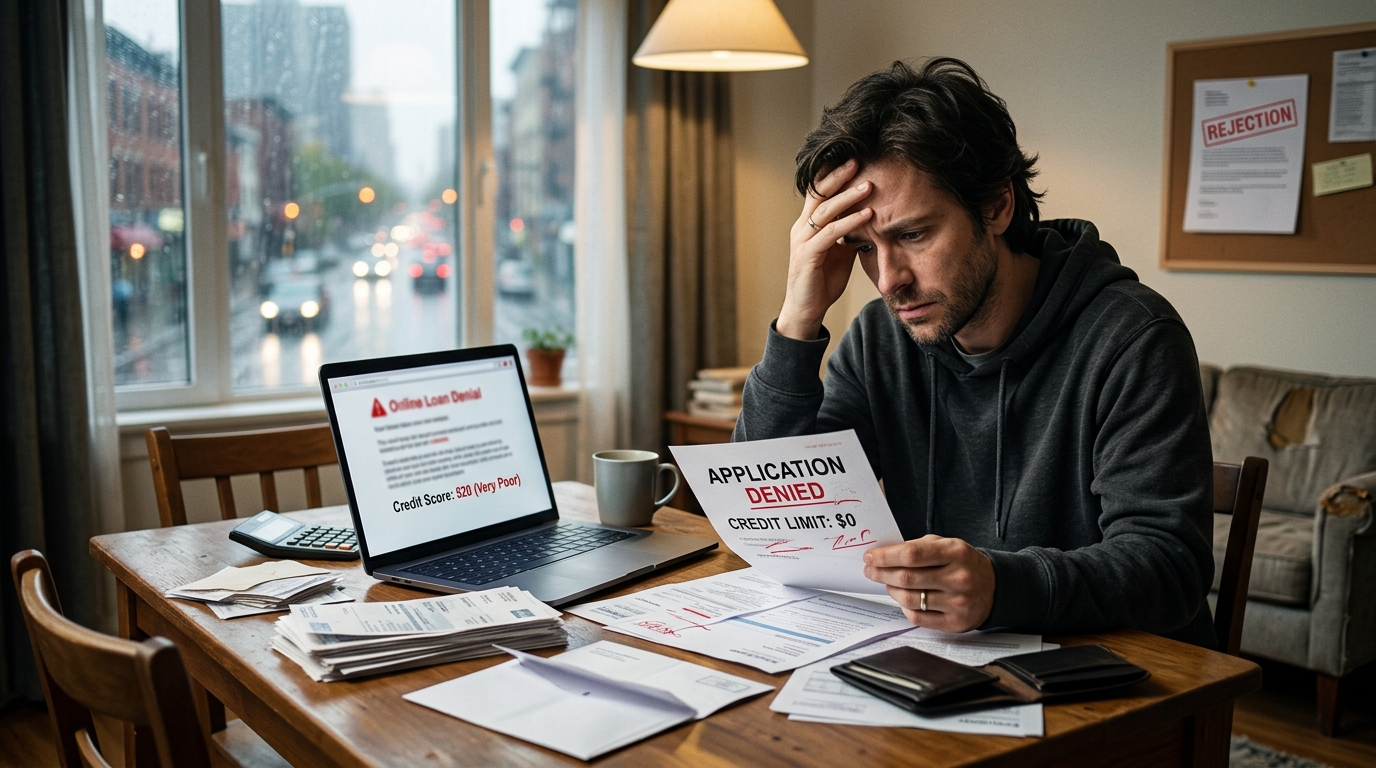
Beyond higher rates, you may simply be denied credit altogether. Many credit card issuers and lenders have minimum credit score requirements. If your score falls below that threshold, your application will be rejected. This can be frustrating if you need a credit card for emergencies or to build your credit history further.
Higher Security Deposits
Utility companies, cell phone providers, and rental car agencies often check your credit before establishing service. If your score is poor, they may require a larger security deposit to protect themselves against potential non-payment. This means you have to pay more money upfront just to get basic services.
Impact on Housing
Your credit score plays a major role in your ability to find a place to live. Landlords and property management companies routinely run credit checks on prospective tenants.
Difficulty Renting an Apartment
A poor credit score can make it very difficult to rent an apartment. Landlords see a low score as a red flag, indicating you might not pay your rent on time. Many landlords will reject your application outright. If they do accept you, they often require a higher security deposit or a co-signer who has good credit.
Higher Mortgage Rates and Down Payment Requirements
If you are hoping to buy a home, a poor credit score is a major obstacle. You will likely face much higher mortgage interest rates, making homeownership less affordable. Additionally, you may be required to make a larger down payment, sometimes 20% or more, to offset the lender’s risk. In some cases, you may not qualify for a conventional mortgage at all and may need to seek a government-backed loan like an FHA loan, which has its own fees and requirements.
Impact on Employment
In many states and for certain types of jobs, employers can check your credit report as part of the background screening process. This is especially common for positions that involve handling money, financial data, or sensitive information.
Potential Job Rejection
While an employer cannot see your credit score, they can see a modified version of your credit report. Negative items like collections, bankruptcies, or late payments can make them question your judgment and reliability. This can lead to a job offer being rescinded or you being passed over for a promotion.
Impact on Insurance
Many insurance companies use credit-based insurance scores to determine your premiums. This practice is legal in most states.
Higher Auto and Home Insurance Premiums
Studies have shown a strong correlation between credit history and the likelihood of filing an insurance claim. As a result, insurers charge higher premiums to individuals with poor credit. You could be paying significantly more for the same coverage than someone with good credit.
Limited Opportunities and Higher Costs in Daily Life
The effects of a poor credit score extend beyond major financial decisions. They can impact everyday activities.
Difficulty Starting a Business
If you want to start a business, you will likely need financing. A poor personal credit score can make it very difficult to get a small business loan or a business credit card. Lenders often look at the owner’s personal credit when evaluating a new business.
Higher Cell Phone and Utility Costs
As mentioned earlier, utility and cell phone companies may require larger deposits. They may also deny you postpaid plans, forcing you to use prepaid services which can be less convenient and more expensive in the long run.
How to Improve a Poor Credit Score
While the consequences are serious, a poor credit score is not a life sentence. There are proven steps you can take to improve your score over time.
Check Your Credit Reports for Errors
Start by getting free copies of your credit reports from AnnualCreditReport.com. Review them carefully for errors like accounts that do not belong to you, incorrect late payments, or outdated information. Dispute any errors with the credit bureaus.
Pay Your Bills on Time
Payment history is the most important factor in your credit score. Set up automatic payments or reminders to ensure you never miss a due date. Even one late payment can damage your score.
Reduce Your Credit Utilization
Credit utilization is the amount of credit you are using compared to your total available credit. Aim to keep your utilization below 30%. Paying down your credit card balances is one of the fastest ways to improve your score.
Become an Authorized User
Ask a family member or friend with good credit to add you as an authorized user on their credit card account. Their positive payment history will be added to your credit report, potentially boosting your score.
Consider a Secured Credit Card
If you cannot get approved for a traditional credit card, a secured credit card is a good option. You deposit money upfront, and that deposit becomes your credit limit. Using it responsibly and paying on time helps build a positive credit history.
Key Takeaways
- A poor credit score (below 580) leads to higher interest rates on loans and credit cards, costing you more money.
- You may be denied credit cards, loans, and rental applications.
- Landlords often require larger security deposits or a co-signer.
- Employers in certain fields may reject you based on your credit report.
- Auto and home insurance premiums are typically higher for those with poor credit.
- Utility and cell phone companies may require larger upfront deposits.
- A poor credit score can hinder your ability to start a business.
- Improving your score is possible through on-time payments, reducing debt, and disputing errors.
- Checking your credit reports regularly is essential for tracking progress and catching errors.
- Becoming an authorized user or using a secured credit card are effective rebuilding strategies.
Frequently Asked Questions
Can I still get a loan with a poor credit score?
Yes, but it will be more difficult and expensive. You may qualify for subprime loans, which have very high interest rates and fees. You may also need a co-signer or collateral.
How long does a poor credit score last?
Negative items like late payments stay on your credit report for seven years. Bankruptcies can stay for up to ten years. However, your score can improve as soon as you start demonstrating positive credit behavior.
Will my spouse’s poor credit score affect me?
Not directly. Your credit score is individual. However, if you apply for a joint loan or mortgage, the lender will consider both of your scores. If your spouse has poor credit, it can result in higher rates or denial for the joint application.
Does checking my own credit score hurt it?
No. Checking your own credit score or credit report is considered a “soft inquiry” and does not affect your score. Only “hard inquiries” from lenders when you apply for credit can have a minor, temporary impact.
What is the fastest way to improve my credit score?
The fastest way is to pay down high credit card balances to lower your credit utilization ratio. This can have a significant positive impact in a short period. Also, ensure all your bills are paid on time.
Conclusion
A poor credit score creates a cascade of financial challenges, from higher borrowing costs to difficulty securing housing and employment. It makes everyday life more expensive and limits your opportunities. However, the situation is not hopeless. By understanding the consequences and taking proactive steps like paying bills on time, reducing debt, and checking your credit reports for errors, you can gradually rebuild your credit. The journey requires patience and discipline, but the financial freedom and lower costs that come with a good credit score are well worth the effort.