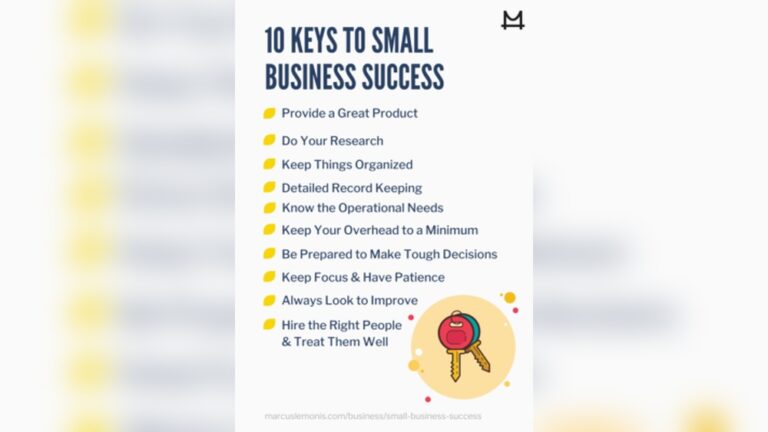
Common Mistakes New Businesses Make: Avoid These Costly Errors
Starting a new business is exciting, but it’s easy to slip up without realizing it. You want your business to succeed, yet many new entrepreneurs make mistakes that slow progress or cause unnecessary setbacks.
Imagine avoiding those pitfalls before they happen—saving time, money, and frustration. You’ll discover the most common mistakes new businesses make and how you can steer clear of them. Keep reading to protect your business and set yourself up for success from day one.

Skipping Market Research
Many new businesses make the mistake of ignoring customer needs. They create products or services without knowing what buyers really want. This leads to low sales and unhappy clients.
Another common error is overestimating demand. Entrepreneurs often think their idea will attract many customers quickly. But without proper research, this hope can fail. It is important to study the market size and customer interest first.
Skipping market research can cause wasted money and time. Understanding the target audience helps businesses offer the right solutions. It also helps avoid costly errors in product development and marketing.
Poor Financial Planning
Underestimating expenses is a common mistake that can hurt new businesses fast. Many startups think costs will be low but often miss hidden fees like taxes, supplies, or repairs. This leads to cash shortages that stop growth.
Inadequate cash flow management makes problems worse. Spending more money than coming in creates stress and risk. Without a good plan, businesses cannot pay bills or staff on time.
| Common Mistakes | Impact | Tip |
|---|---|---|
| Underestimating Expenses | Unexpected costs cause money shortages | Track all costs carefully and add a buffer |
| Inadequate Cash Flow Management | Running out of cash to pay bills | Create a cash flow forecast and update often |
Neglecting Legal Requirements
New businesses often face trouble by missing licenses and permits. These legal documents are needed to operate legally. Without them, businesses risk fines, shutdowns, or legal action. Different areas require different permits. It is important to check local rules carefully.
Tax obligations also cause many problems. Paying taxes late or wrong can lead to penalties and interest. Businesses must understand which taxes apply. This includes sales tax, income tax, and sometimes special taxes. Keeping good records helps avoid mistakes.
Weak Marketing Strategies
Failing to identify a clear target audience wastes time and money. Businesses must know who they want to reach. This helps create ads and messages that speak directly to potential customers. Without focus, efforts become scattered and less effective.
Ignoring digital marketing limits growth. Most people use the internet daily. Not having a website or social media presence means missing many chances to connect. Digital tools are often affordable and reach many people quickly.
| Common Mistake | Impact | Solution |
|---|---|---|
| Lack of Target Audience Focus | Low engagement, wasted budget | Define specific customer groups |
| Ignoring Digital Marketing | Missed opportunities, slow growth | Create online presence and use ads |
Choosing The Wrong Team
Hiring without proper screening can lead to many problems. Choosing team members too fast might cause poor work quality. It is important to check skills and experience carefully. Interviews, tests, and reference checks help find the right people. A good team builds a strong business foundation.
Failing to delegate tasks causes stress and slows progress. Business owners often try to do everything alone. This leads to mistakes and missed deadlines. Assigning tasks to the right team members improves efficiency. Trusting others helps the business grow and succeed.

Ignoring Customer Feedback
Ignoring customer feedback can hurt a business badly. Complaints are chances to improve. Not addressing them may make customers leave. Quick replies build trust and show care.
Products and services must change based on what customers want. Sticking to old ideas can lose sales. Small fixes can make big differences. Always watch what customers say and adapt fast.
Overexpansion Risks
Growing too quickly can cause many problems for new businesses. It often means spending too much money too fast. This can lead to cash flow issues and stress for owners. Rapid growth may also stretch staff too thin. Employees might not handle extra work well, which lowers morale and productivity.
Losing control of quality is a big risk when expanding fast. Products or services might not meet customer expectations anymore. This can damage a business’s reputation and cause customers to leave. Poor quality means more returns and complaints, hurting profits. Keeping quality high is key, even during growth.

Frequently Asked Questions
What Are Common Financial Mistakes New Businesses Make?
New businesses often underestimate startup costs and overspend early on. Poor cash flow management leads to missed payments and lost opportunities. It’s crucial to budget carefully and track expenses to ensure financial stability.
How Do New Businesses Fail In Marketing Strategies?
Many new businesses neglect market research and target the wrong audience. Inconsistent branding and lack of online presence also hurt growth. Effective marketing requires clear goals, audience understanding, and consistent messaging across channels.
Why Do New Businesses Ignore Legal Requirements?
Some startups overlook licenses, permits, or contracts, risking fines or lawsuits. Understanding local regulations and consulting legal experts helps avoid costly legal issues. Compliance builds trust and protects your business long-term.
How Can New Businesses Improve Customer Retention?
Ignoring customer feedback and poor communication cause low retention rates. Providing excellent service, responding promptly, and personalizing experiences boost loyalty. Building strong relationships encourages repeat business and positive reviews.
Conclusion
Starting a new business brings many challenges. Avoiding common mistakes helps save time and money. Plan carefully and learn from others’ experiences. Keep your goals clear and stay flexible. Focus on your customers and listen to their needs. Track your progress and adjust your strategies.
Small steps lead to steady growth. Success takes patience and effort. Stay positive and keep moving forward.